
1. Roofing Vocabulary Every Homeowner Needs
When a PRS technician gives you a quote or explains an issue, you'll probably hear a mix of these roofing terms, especially during repairs:
Granules: The tiny, sand-like particles on asphalt shingles that protect against UV rays and add color.
Blistering: Bubbles that form on shingles, usually from trapped moisture or poor ventilation.
Curling: When the edges of shingles start to lift or curl, which can mean your roof is aging or has ventilation problems.
Ice Dam: A ridge of ice that can form at the edge of a roof in cold climates, causing water to back up and leak inside.
Pitch: The steepness or angle of your roof. A higher pitch means a steeper roof, which usually sheds water and debris more easily.
2. How Understanding Roofing Terms Helps You
You might wonder, does knowing these words really matter? Absolutely.
If you spot a leak, you'll know to check the flashing or valley first. When a PRS technician mentions replacing the fascia, you'll know they're talking about the board near your gutters. If shingles are curling or losing granules, you'll recognize it's time to think about repairs or a new roof. Clear communication leads to better results and helps you avoid unnecessary costs or surprises.
3. Questions to Ask Your PRS Roofer
Now that you've got a handle on roofing terminology for homeowners, you'll be ready to ask the right questions during your next inspection. Try these:
What’s the condition of my underlayment and decking?
Are there any signs of damage near the valleys or flashing?
Do the ridge and eaves need extra attention?
Are my shingles showing signs of curling or blistering?
These questions show you’re engaged and help ensure you get clear, specific answers.
4. Conclusion
Learning roofing terms isn't just for the pros. It gives you the confidence to care for your home and communicate clearly with contractors. Professional Roofing Services has served the Las Vegas Valley for more than four decades, and our technicians are happy to walk you through exactly what they find, in plain language, at every step.
The next time you're facing a roofing project or repair, you'll be ready to ask the right questions and make smart choices. Schedule a roof inspection with Professional Roofing Services today and put your new knowledge to work.
5. Frequently Asked Questions (FAQs)
Do I need to know roofing terms before scheduling an inspection with PRS?
Not at all. Our technicians walk you through every finding in plain language. Knowing the basics just helps you follow along and ask more specific questions if you'd like to.
What roofing terms come up most often during a PRS inspection?
Flashing, underlayment, decking, and ventilation are some of the most common terms our technicians reference, since these are the components most likely to show early signs of wear in the Las Vegas climate.
Can PRS explain my roof's condition using these terms during a quote?
Yes. When PRS provides an estimate for repair or replacement, our team breaks down exactly which components, like the flashing, underlayment, or decking, need attention and why.
Does PRS work on both residential and commercial roofs?
Yes. Professional Roofing Services provides inspection, repair, maintenance, and replacement services for residential and commercial properties throughout the Las Vegas Valley.
6. Introduction
Ever felt uncertain when a roofing professional discusses terms like flashing, underlayment, or fascia? You're not alone. Familiarity with essential roofing terminology can significantly impact your understanding of repairs, replacements, and routine maintenance. In this guide, the team at Professional Roofing Services breaks down the roofing vocabulary every homeowner should know, so you can engage confidently whenever a PRS technician is on your roof.
7. Why It’s Important to Know Roofing Terms
Understanding roofing terms isn't about sounding like an expert, it's about making smarter decisions for your home. When you know the basics, you can follow along during inspections, ask better questions, and avoid confusion or miscommunication. This knowledge helps you spot problems early, talk through solutions, and know exactly what you're paying for when it's time for a repair or replacement, whether you're working with PRS or getting a second opinion elsewhere.
8. The Basic Parts of a Roof Explained
Let's start with the basics. Every roof has a few main parts that work together to keep your home safe and dry. Here are the most common roofing terms you'll hear from a PRS inspector:
Shingles: These are the individual pieces (usually asphalt, tile, or wood) that cover the top layer of your roof. Shingles are what you see from the street.
Decking: This is the flat surface, often made of plywood, attached to the roof’s frame. It supports all the other roofing materials.
Underlayment: A water-resistant layer that sits between the decking and the shingles. It’s like your roof’s raincoat.
Flashing: Thin pieces of metal placed around chimneys, vents, and valleys to direct water away from these tricky spots.
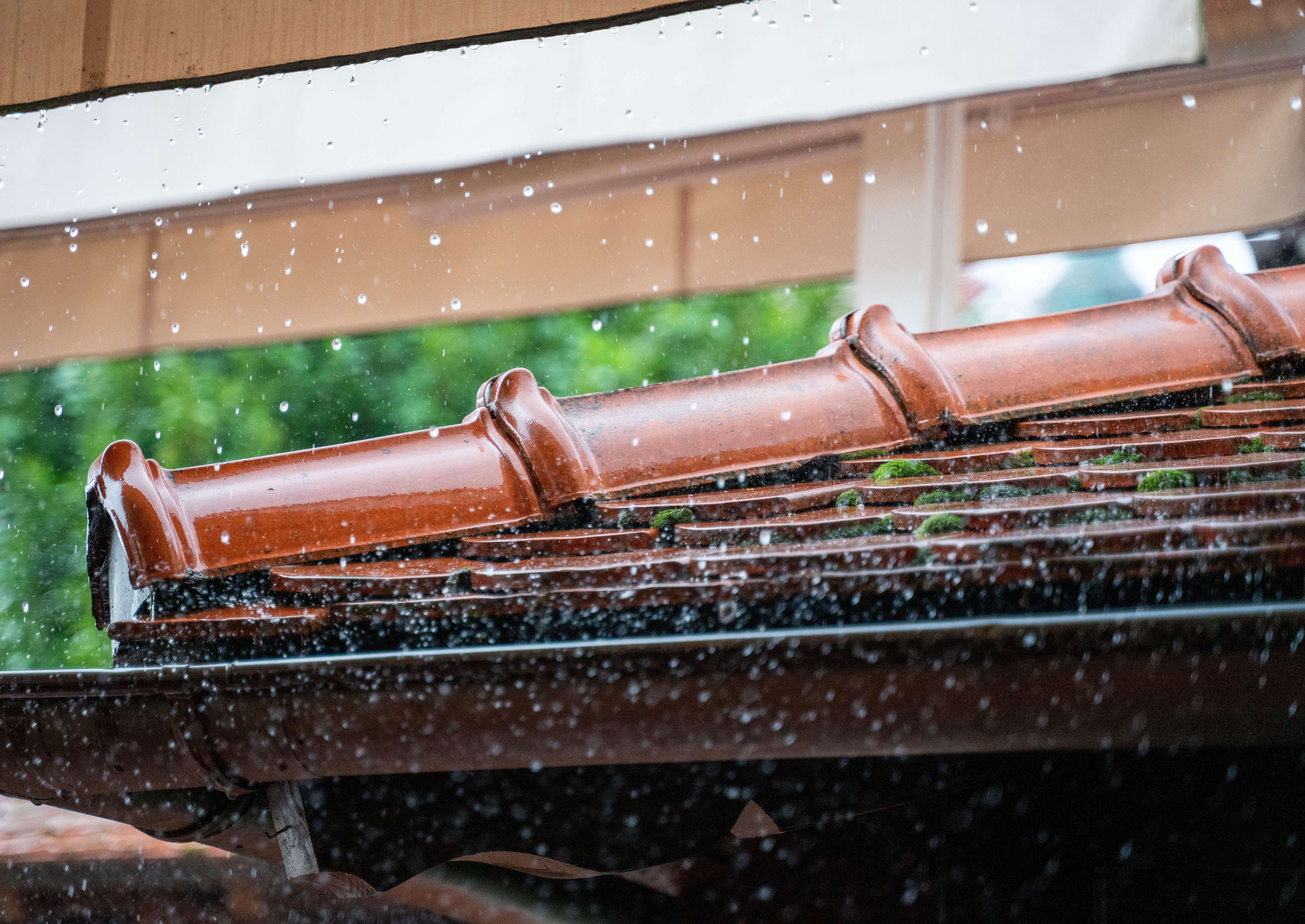
Ridge: The highest point where two roof slopes meet. Roofers often install special shingles (ridge caps) here for extra protection.
9. Common Roofing Terms Explained
There's a lot more to a roof than just shingles and nails.
Fascia: This is the board that runs along the lower edge of your roof, usually where gutters are attached. It helps support the roof’s edge and keeps water out.
Soffit: The underside of the roof overhang. Soffits allow air to flow into your attic, which helps keep the roof cool and prevents moisture buildup.
Valley: The area where two roof slopes meet to form a V shape. Valleys can be prone to leaks, so they need extra attention.
Eave: The edge of the roof that sticks out over the walls. Eaves help direct water away from your home’s foundation.
Drip Edge: A metal strip installed along the edges to guide water off the roof and away from the fascia and underlying wood.