
1. Introduction
A new roof should leave you feeling relieved. It's finished, your home is protected, and you can stop worrying about the leaks or worn materials that got you there in the first place.
But sometimes, homeowners look up after the project and think, “Something doesn't look right.”
Maybe the tile lines don't look straight. Maybe a few tiles seem out of place, the pattern looks inconsistent, or part of the roof doesn't look as finished as you expected. You might not know whether it's just the angle you're seeing it from or something that needs to be checked.
Either way, it's okay to ask.
2. Not Every Cosmetic Concern Means Something Is Wrong
Roofs aren't always perfectly flat, and you're not always looking at them from a perfectly straight angle. Roof slopes, valleys, shadows, and natural variation in materials can all affect how the finished roof looks.
Still, you shouldn't be left feeling unsure about whether the work was done right.
If you notice a crooked-looking pattern, slipped tiles, uneven lines, visible gaps, or anything else that seems off, ask the contractor to walk you through it. They should be able to explain what you're seeing and tell you whether it's expected, cosmetic, or something that needs attention.
You don't need to assume the worst. You just need a clear answer.
3. What Homeowners Usually Notice First
Most homeowners notice the appearance of their roof before they notice how it's performing. You see it when you pull into the driveway, walk around the property, or look out a window, so small differences can stand out quickly.
Common concerns include:
Tile rows or shingle lines that don't look straight
Tiles that look loose, slipped, cracked, or out of pattern
Uneven areas around valleys, roof edges, or transitions
Flashing, vents, or pipe areas that look unfinished
Materials that don't look like what you discussed
A finished roof that doesn't match what you expected from the proposal
These concerns don't all mean the same thing. Sometimes, they come down to roof design or material variation. Other times, the roof needs a closer look to make sure the materials are secure and the installation details were completed properly.
4. What to Ask if You're Concerned
You don't need to know roofing terms to ask the right questions.
Start by asking the contractor to review the area with you. They can explain what materials were installed, how that part of the roof was completed, and whether the work follows the manufacturer's installation requirements.
It's also reasonable to ask for:
Photos taken during the project
A walkthrough of the areas you're concerned about
A copy of the final scope of work
Details about the materials used
Written warranty information
An explanation of what happens if a correction is needed
Don't climb onto the roof or try to move tiles yourself. Even one tile that looks slightly out of place may be part of a larger system, and walking on the roof can create more damage or put you at risk.
5. Installation Details Matter
A roof is more than the material you can see on top.
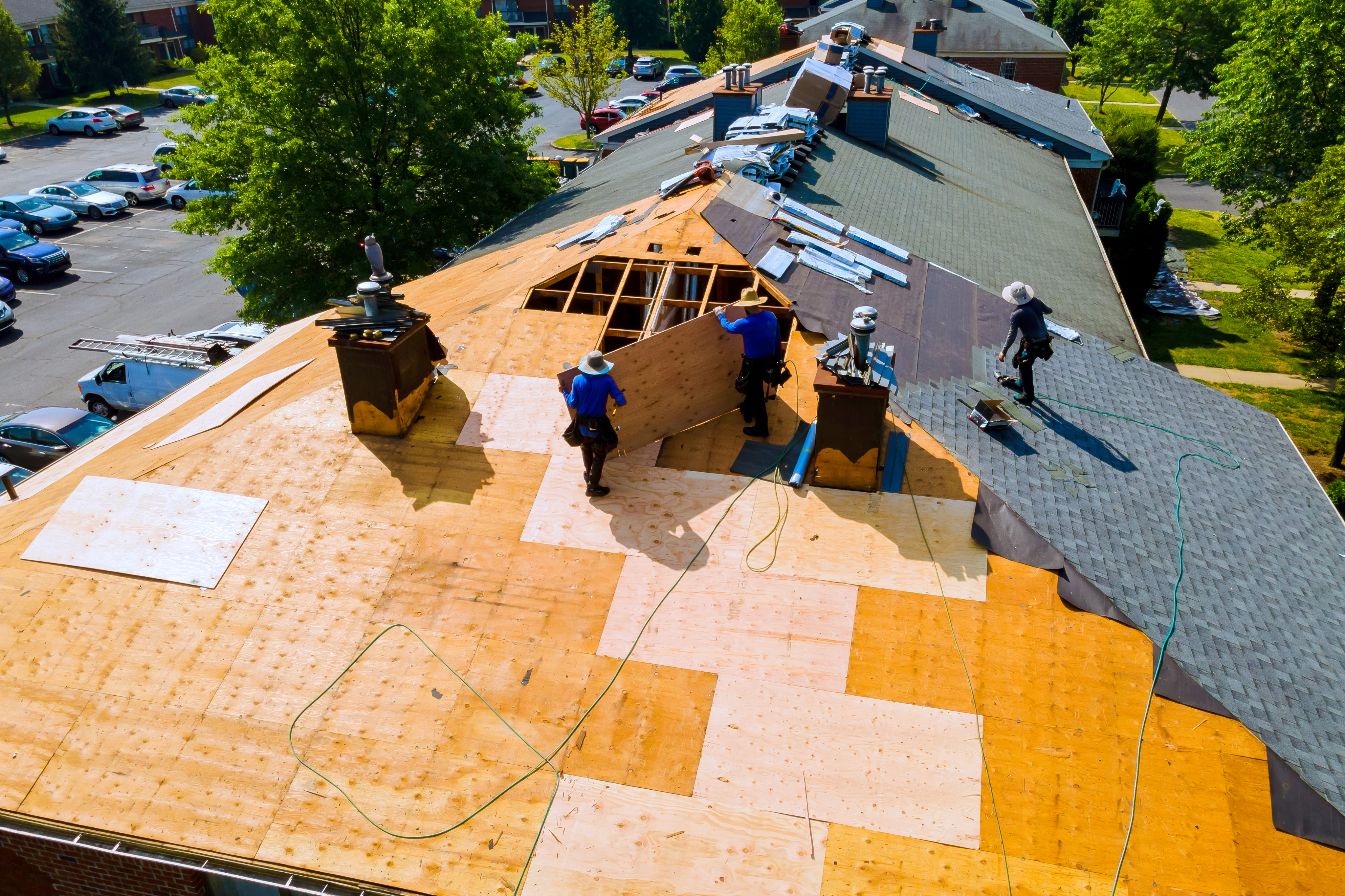
Underlayment, flashing, fasteners, pipe seals, vents, and the way the materials overlap all affect how the roof performs. A tile may look fine from the ground while the waterproofing underneath needs attention. On the other hand, a roof may look a little different from what you expected without having a performance issue.
That's why the contractor's explanation matters.
If you're worried about nails, fastening, tile placement, or whether the materials were installed as intended, ask for a professional review. The contractor should be able to tell you what they find and explain the next step in plain language.
6. When the Concern Is More Than Cosmetic
Sometimes, it isn't only about how the finished roof looks. It's about how the whole project felt.
You may feel uneasy if the timeline changes without much explanation, the crew's schedule isn't clear, or you're left wondering whether the work was completed the way it should have been. Roofing projects can shift because of weather, material availability, or conditions found during the work. What matters is that the contractor keeps you informed and explains what's happening.
You should know what materials are being installed, who'll be working on your home, what the expected process looks like, and who to contact if you have questions. Your contract, project scope, material details, and warranty information should give you something clear to refer back to once the work is complete.
7. Start With Clarity From Day One
A good roofing experience shouldn't begin and end with a price quote.
At Professional Roofing Services, we do our best to help homeowners feel informed from the start. We'll walk you through the roofing process, explain the materials and work being recommended, and go over the contract so you know what's included before the project begins.
We also use educational videos and project information to show the kind of work our team performs and answer questions homeowners often have about their roof. You'll know who is working on your home, what materials are being used, what the finished project should look like, and who to contact if you need clarity along the way.
If you're concerned about a completed roof, or you'd like a more transparent experience before starting your next project, contact Professional Roofing Services. Our experienced team can inspect your roof, explain what we find, and help you feel confident about what comes next.
8. Frequently Asked Questions (FAQs)
Do uneven roof lines always mean the installation is wrong?
Not always. Roof shape, angles, shadows, and natural variation in roofing materials can affect how the finished roof looks. But if something looks crooked, loose, uneven, or unfinished, it's reasonable to ask the contractor to inspect the area and explain what you're seeing.
Can I ask for photos or documentation after a roofing project?
Yes. Project photos, material information, the final scope of work, and warranty documents can help you understand what was completed. They're also useful to keep with your property records in case questions come up later.
Can PRS inspect a roof installed by another company?
Yes. PRS can inspect residential roofs, identify visible concerns, and explain what the team finds. The inspection can help you understand whether the roof needs repair, further evaluation, or another next step.